i've seen them priced from $6 to $60. anyone have any experience with these and have any recommendations?



This! I have two myself because I depend on them so much when camping. However, avoid the titanium version. I normally love titanium but it is not so great with the Jetboil. I've burned myself numerous times with it.TT120 wrote:I found that I was mostly using it to boil water either for Mountain House food or coffee so I ended up getting a Jetboil. That works MUCH better for boiling water and can also be used for cooking stuff in a pan if you want.


rubbing two Swedish candles together will not be as effective as two pieces of wood.........well, at least not for cooking.graidawg wrote:We used a biolite and rate them as awesome, but not cheap. Of course we had a thunder god bring us huge amounts of precut wood.
Trying to work on a Swedish candle for fire this year
there's a dick joke in there somewhere...ygmir wrote:rubbing two Swedish candles together will not be as effective as two pieces of wood.........well, at least not for cooking.graidawg wrote:We used a biolite and rate them as awesome, but not cheap. Of course we had a thunder god bring us huge amounts of precut wood.
Trying to work on a Swedish candle for fire this year
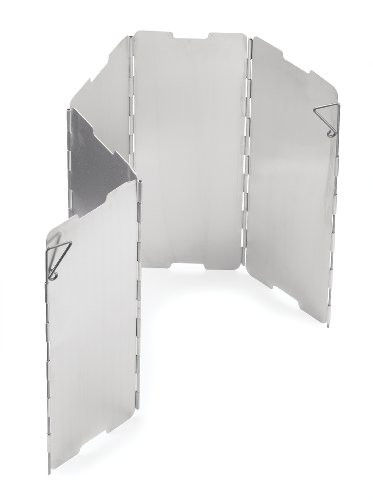
i won't actually be backpacking with it but space is an issue. i live small. all of my burner gear (including my bike) fits into in my 650 sq/ft apartment with myself and all of my sewing & crafting stuff. i also prefer small cars and hope to be travelling in a Scion IQ to the burn. anything i can do on a smaller scale suits my lifestyle. that little collapsible backpacking stove is something i've been enamored with since i saw someone else post a pic of one here.Lonesomebri wrote:Is space an issue, or are you also planning to use this stove for backpacking?




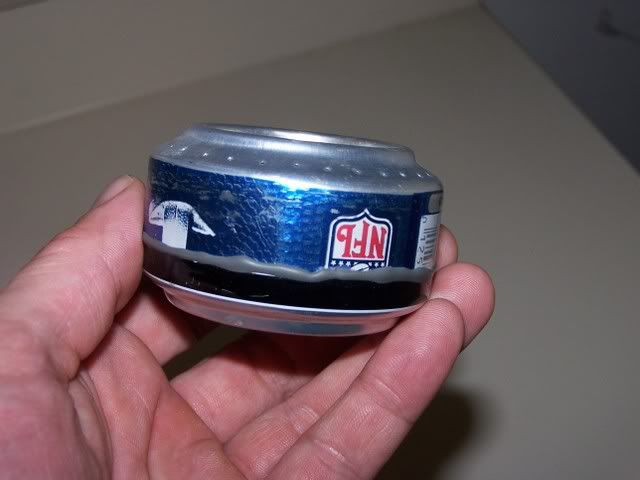
Heat Output of Different Stove Fuels
Denatured alcohol for use in cookstoves contains a mix of methanol and ethanol, which have different heat outputs.
Ethanol, also known as ethyl alcohol, contains approximately 12,500 BTU of heat per pound.
Methanol, or methyl alcohol, contains just over 10,000 BTU of heat per pound.
The exact ratio between the two varies substantially by product—you'll need to do some research to figure out which ones offer higher ratios of ethanol. (Zen and the Art of the Alcohol Stove is a great place to start.)
White gas contains approximately 20,000 BTU per pound, or nearly double the amount of denatured alcohol.
Canister stoves contain a mix of propane and butane. (You can learn more in this previous post: How Canister Stoves Work: The Science Behind the Fuel.)
Propane contains approximately 21,500 BTU per pound, more heat than any other campstove fuel for its weight.
Butane is a close second, with just over 21,000 BTU per pound.


exactly.Elorrum wrote:... The upshot is you probably won't cook much, and whatever you bring will be fine.


It goes without saying, but I'll say it anyway: make sure that when packing up for the trip, you have a stable surface for whatever kind of stove you have. Perhaps the surface can be portable (a 2x2 or 3x3foot piece of plywood) and set up in your tent or car if it's too windy outside.lollergirl wrote:i'll be on my own this year and cooking only for myself, never with more than 1 pot/pan.
I second this. Most stoves are capable of at least some degree of fuel spillage, and that would not be very LNT.DoctorIknow wrote:
It goes without saying, but I'll say it anyway: make sure that when packing up for the trip, you have a stable surface for whatever kind of stove you have. Perhaps the surface can be portable (a 2x2 or 3x3foot piece of plywood) and set up in your tent or car if it's too windy outside.