

The date is on the calendar MB.... Whoot!!!!!!!!......
Mmmm, I take one of those!!!!!
The Bar
-
thisisthatwhichis

- Posts: 3586
- Joined: Thu Feb 09, 2006 6:18 pm
- Location: Reno, NV
-
Captain Goddammit

- Posts: 8594
- Joined: Sat Sep 06, 2003 9:34 am
- Burning Since: 2000
- Camp Name: First Camp
- Location: Seattle, WA

-
thisisthatwhichis
- Posts: 3586
- Joined: Thu Feb 09, 2006 6:18 pm
- Location: Reno, NV


-
thisisthatwhichis
- Posts: 3586
- Joined: Thu Feb 09, 2006 6:18 pm
- Location: Reno, NV
-
thisisthatwhichis
- Posts: 3586
- Joined: Thu Feb 09, 2006 6:18 pm
- Location: Reno, NV

-
Bin Noddin
- Posts: 3097
- Joined: Fri Nov 11, 2005 11:00 pm
- Location: Silver Spring, MD
-
Captain Goddammit
- Posts: 8594
- Joined: Sat Sep 06, 2003 9:34 am
- Burning Since: 2000
- Camp Name: First Camp
- Location: Seattle, WA
-
thisisthatwhichis
- Posts: 3586
- Joined: Thu Feb 09, 2006 6:18 pm
- Location: Reno, NV
-
Bin Noddin
- Posts: 3097
- Joined: Fri Nov 11, 2005 11:00 pm
- Location: Silver Spring, MD
-
thisisthatwhichis
- Posts: 3586
- Joined: Thu Feb 09, 2006 6:18 pm
- Location: Reno, NV

-
Bin Noddin
- Posts: 3097
- Joined: Fri Nov 11, 2005 11:00 pm
- Location: Silver Spring, MD

-
LeChatNoir

- Posts: 5907
- Joined: Mon Sep 01, 2003 8:52 am
- Location: Louisville, Ky
-
Captain Goddammit
- Posts: 8594
- Joined: Sat Sep 06, 2003 9:34 am
- Burning Since: 2000
- Camp Name: First Camp
- Location: Seattle, WA
I treated myself to Aha Toro margaritas last night... tonight it's just Cuervo margaritas... gotta save $$ for fuel to get the boat to the Playa!
So, about booze... since booze is a good general topic in here...
At first the boat had a well-stocked bar to make all sorts of drinks, but I eventually narrowed it down to focus on margaritas since they proved to be by far the most popular, probably because a frosty cold drink in the desert is hard to beat.
I always used Cuervo because it was reasonably priced (I had to buy a LOT of it) and of acceptable quality. I wanna go with something other than the same Cuervo this year; what do you suggest that is decent quality but cheap enough to buy a lot of it? Sauza maybe?
I gotta keep the budget in check a little but I don't wanna waste it on swill.
So, about booze... since booze is a good general topic in here...
At first the boat had a well-stocked bar to make all sorts of drinks, but I eventually narrowed it down to focus on margaritas since they proved to be by far the most popular, probably because a frosty cold drink in the desert is hard to beat.
I always used Cuervo because it was reasonably priced (I had to buy a LOT of it) and of acceptable quality. I wanna go with something other than the same Cuervo this year; what do you suggest that is decent quality but cheap enough to buy a lot of it? Sauza maybe?
I gotta keep the budget in check a little but I don't wanna waste it on swill.
GreyCoyote: "At this rate it wont be long before he is Admiral Fukkit."
-
LeChatNoir
- Posts: 5907
- Joined: Mon Sep 01, 2003 8:52 am
- Location: Louisville, Ky
Well... I don't know about cheaper stuff, but since it's related...
Last year I brought two kinds out:
Patron Anejo & Hacienda De Chihuahua
The latter is technically not Tequilia, but "Sotol" (so sayeth the label). I do not now what makes the differnce, but I liked the Hacienda better than the Patron and it was a bit cheaper. But still top shelf stuff.
Last year I brought two kinds out:
Patron Anejo & Hacienda De Chihuahua
The latter is technically not Tequilia, but "Sotol" (so sayeth the label). I do not now what makes the differnce, but I liked the Hacienda better than the Patron and it was a bit cheaper. But still top shelf stuff.
The New and Improved Black Cat... now with 25% more blather
-
LeChatNoir
- Posts: 5907
- Joined: Mon Sep 01, 2003 8:52 am
- Location: Louisville, Ky
What makes a good tequila? For some it is the earthy, vegetable taste and aroma of the agave. For others it is the sharp bite of the blanco or reposados. Still others prefer the smooth, oaky body of the añejos.
There is no single 'best' tequila - although by all reports the ultra-premium añejos are just about everyone's favourite choice. One of the more visible trends is towards premium tequilas at premium prices. At the top end of the scale are companies like Chinaco, Don Julio, Casa Noble, Patron and Porfidio - the latter topping $100 US a bottle in Mexico (single-shot sample bottles sell for $14-$15 US!). Note that the latter do not at present actually make tequila: they buy what they consider the best from other companies and put their own label on it. More expensive are Cuervo's Reserva de la Familia and Herradura's Seleccion Suprema, both of which sell for more than $200 US in Mexico. Finally, Porfidio's single-barrel Barrique is sells for $500 US ($375 US in Mexico)!
The best advice is to try several brands and several types to find the taste you like. Some distilleries have reputations for making mild, spicy or earthy brands, others for strong alcohol finish or other tastes. Read books to find out what styles the authors suggest for specific brands, and look for those styles that might suit you - and go try them. A good way to introduce yourself to tequila is to find a bar which specializes in it, and a bartender who understands the differences between them, or attend a tequila tasting.
I like Casadores for mixing. Casadores is produced with 100% blue agave, which are organically grown in the heart of Jalisco, Mexico.
Worked out some designs in chalk drawings and budget it out. but I need free time to work on it (and I have none) so I filled the pool back up to use it untill I am ready.
There is no single 'best' tequila - although by all reports the ultra-premium añejos are just about everyone's favourite choice. One of the more visible trends is towards premium tequilas at premium prices. At the top end of the scale are companies like Chinaco, Don Julio, Casa Noble, Patron and Porfidio - the latter topping $100 US a bottle in Mexico (single-shot sample bottles sell for $14-$15 US!). Note that the latter do not at present actually make tequila: they buy what they consider the best from other companies and put their own label on it. More expensive are Cuervo's Reserva de la Familia and Herradura's Seleccion Suprema, both of which sell for more than $200 US in Mexico. Finally, Porfidio's single-barrel Barrique is sells for $500 US ($375 US in Mexico)!
The best advice is to try several brands and several types to find the taste you like. Some distilleries have reputations for making mild, spicy or earthy brands, others for strong alcohol finish or other tastes. Read books to find out what styles the authors suggest for specific brands, and look for those styles that might suit you - and go try them. A good way to introduce yourself to tequila is to find a bar which specializes in it, and a bartender who understands the differences between them, or attend a tequila tasting.
I like Casadores for mixing. Casadores is produced with 100% blue agave, which are organically grown in the heart of Jalisco, Mexico.
Were you able to put a design on it?......
Worked out some designs in chalk drawings and budget it out. but I need free time to work on it (and I have none) so I filled the pool back up to use it untill I am ready.
The traditional way is to use a tall, narrow shot glass called a caballito. The caballito, with its narrow base and wider mouth, is said to be modelled after the original bull's horn, from which tequila was drunk. The bottom was cut flat so it could rest on a table. It's a perfect size and shape.
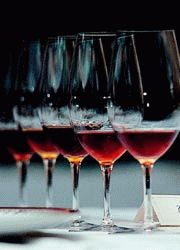
Sip it, without the lime and the salt. Forget the margarita mix. Don't even add ice. If you want to taste it, drink it neat - slowly and gently, to enjoy the aroma, the body and taste.. Some people like it served cold, especially the blanco variety. But try it at room temperature if you want to appreciate the full bouquet and body. Taste it as you would fine wine.
Remember that when you open a bottle of tequila, you subject its contents to oxidization, just as you would a bottle of wine. This can rob the tequila of its agave flavours in a matter of a few weeks to a month. Also, you can lose alcohol to evaporation. Tequila doesn't last indefinitely. You have to drink it soon - usually within 1-2 months - otherwise it starts to lose its zest.
Sip it, without the lime and the salt. Forget the margarita mix. Don't even add ice. If you want to taste it, drink it neat - slowly and gently, to enjoy the aroma, the body and taste.. Some people like it served cold, especially the blanco variety. But try it at room temperature if you want to appreciate the full bouquet and body. Taste it as you would fine wine.
Remember that when you open a bottle of tequila, you subject its contents to oxidization, just as you would a bottle of wine. This can rob the tequila of its agave flavours in a matter of a few weeks to a month. Also, you can lose alcohol to evaporation. Tequila doesn't last indefinitely. You have to drink it soon - usually within 1-2 months - otherwise it starts to lose its zest.
Official designations: The four types of tequila
Blanco or plata (white or silver) is type 1: The most common type, it's considered 'unaged' and is under 60 days old, and may be bottled fresh from distillation. Sometimes this is a harsh, young drink, but it can also be tastier and more robust than highly refined varieties, if it's marked "100 per cent agave". Some distillers may 'rest' blanco tequilas in oak barrels for more smoothness - the maximum allowable period is 30 days.
Joven abocado (young and smoothed, also called gold - oro) is Type 2: basically the same as blanco, but with coloring and flavoring ingredients added to make it look aged. These are also called suave or oro (gold) because of its coloring (usually through added caramel and sometimes oak essence.) In the industry they're known as mixto, or mixed blends. Generally they're not as good as 100% agave, but they are also very popular for export sales. Note that Herradura calls its 100% agave reposado tequila "gold," but it is not to be confused with a gold mixto.
Reposado, Type 3, means rested. This is aged from two months to up to a year in oak casks or barrels. This is where the better tequilas start and the tastes become richer and more complex. The longer the aging, the darker the colour and the more the wood affects the flavour. Reposado accounts for more than 60% of all tequila sales in Mexico. It was the first type of aged tequila.
Añejo (aged, or vintage) is Type 4: aged in government-sealed barrels of no more than 350 liters, for a minimum of a year. They may be aged longer - as long as eight to ten years, although many authorities say tequila is at its best at four or five years. It is usually removed from the barrels and racked into stainless steel tanks after four years because evaporation in the barrels reaches 50% or more. Many of the añejos become quite dark and the influence of the wood is more pronounced than in the reposado variety.
Types aside, all tequilas have similar alcohol contents - roughly the same percentage as any standard scotch, vodka, gin or bourbon - around 38-40 per cent (76-80 proof).
Premium brands: 100 per cent agave
The most important identifier on the label is "100% agave" or "100% agave azul" - cien por ciento de agave azul. This means it is made only from the blue agave plant, and was approved by a government inspector to ensure purity. If it doesn't say this, it legally can be mixed up to 49 per cent with other ingredients. All those non-agave ingredients are the recipe for a hangover. And "100% agave" can make even a blanco tequila into a respectable drink, with a peppery flavor-sharp tang. in general, 100 per cent agave means better quality, flavor, taste and purity. Without it, cane sugars are used in the fermentation process to produce much of the alcohol - but none of the taste.
It's nothing without NOM
NOM on the label means Normas Oficial Mexicana, usually referred to simply as the NORMAS: it means the tequila meets government standards - but it's not any guarantee of quality. Without the NOM stamp of legitimacy, you can't even be sure it's tequila in the bottle. All 100% agave tequilas must have a NOM identifier on the bottle.
The number after NOM is the distillery number, assigned by the government. Look closely and you'll see a lot of apparently competing brands with the same NOM number. That's because they're all produced at the same distillery, regardless of any real or invented history or legend behind them. In fact, there are only about 70 licensed tequila distilleries in all of Mexico - and they make more than 500 different brands. Only one of these companies does not have a license to make 100% agave tequilas.
NOM does not indicate the location of the distillery, merely the parent company. The location may also be listed on the label, but it may also be the address of the parent firm, not the actual fabrica. However, some brands like Porfidio and Patron do not have a distillery, but instead purchase what they consider the best tequila from other manufacturers and put their own labels on the bottles.
Some tequilas are bottled outside Mexico using bulk Mexican mixto tequila as a base. These are not governed by the strict Mexican laws and can be adulterated with other non-agave, non-tequila ingredients by the bottler. There is no guarantee as to their quality or even the amount of tequila they contain. These will never be 100% agave.
Blanco or plata (white or silver) is type 1: The most common type, it's considered 'unaged' and is under 60 days old, and may be bottled fresh from distillation. Sometimes this is a harsh, young drink, but it can also be tastier and more robust than highly refined varieties, if it's marked "100 per cent agave". Some distillers may 'rest' blanco tequilas in oak barrels for more smoothness - the maximum allowable period is 30 days.
Joven abocado (young and smoothed, also called gold - oro) is Type 2: basically the same as blanco, but with coloring and flavoring ingredients added to make it look aged. These are also called suave or oro (gold) because of its coloring (usually through added caramel and sometimes oak essence.) In the industry they're known as mixto, or mixed blends. Generally they're not as good as 100% agave, but they are also very popular for export sales. Note that Herradura calls its 100% agave reposado tequila "gold," but it is not to be confused with a gold mixto.
Reposado, Type 3, means rested. This is aged from two months to up to a year in oak casks or barrels. This is where the better tequilas start and the tastes become richer and more complex. The longer the aging, the darker the colour and the more the wood affects the flavour. Reposado accounts for more than 60% of all tequila sales in Mexico. It was the first type of aged tequila.
Añejo (aged, or vintage) is Type 4: aged in government-sealed barrels of no more than 350 liters, for a minimum of a year. They may be aged longer - as long as eight to ten years, although many authorities say tequila is at its best at four or five years. It is usually removed from the barrels and racked into stainless steel tanks after four years because evaporation in the barrels reaches 50% or more. Many of the añejos become quite dark and the influence of the wood is more pronounced than in the reposado variety.
Types aside, all tequilas have similar alcohol contents - roughly the same percentage as any standard scotch, vodka, gin or bourbon - around 38-40 per cent (76-80 proof).
Premium brands: 100 per cent agave
The most important identifier on the label is "100% agave" or "100% agave azul" - cien por ciento de agave azul. This means it is made only from the blue agave plant, and was approved by a government inspector to ensure purity. If it doesn't say this, it legally can be mixed up to 49 per cent with other ingredients. All those non-agave ingredients are the recipe for a hangover. And "100% agave" can make even a blanco tequila into a respectable drink, with a peppery flavor-sharp tang. in general, 100 per cent agave means better quality, flavor, taste and purity. Without it, cane sugars are used in the fermentation process to produce much of the alcohol - but none of the taste.
It's nothing without NOM
NOM on the label means Normas Oficial Mexicana, usually referred to simply as the NORMAS: it means the tequila meets government standards - but it's not any guarantee of quality. Without the NOM stamp of legitimacy, you can't even be sure it's tequila in the bottle. All 100% agave tequilas must have a NOM identifier on the bottle.
The number after NOM is the distillery number, assigned by the government. Look closely and you'll see a lot of apparently competing brands with the same NOM number. That's because they're all produced at the same distillery, regardless of any real or invented history or legend behind them. In fact, there are only about 70 licensed tequila distilleries in all of Mexico - and they make more than 500 different brands. Only one of these companies does not have a license to make 100% agave tequilas.
NOM does not indicate the location of the distillery, merely the parent company. The location may also be listed on the label, but it may also be the address of the parent firm, not the actual fabrica. However, some brands like Porfidio and Patron do not have a distillery, but instead purchase what they consider the best tequila from other manufacturers and put their own labels on the bottles.
Some tequilas are bottled outside Mexico using bulk Mexican mixto tequila as a base. These are not governed by the strict Mexican laws and can be adulterated with other non-agave, non-tequila ingredients by the bottler. There is no guarantee as to their quality or even the amount of tequila they contain. These will never be 100% agave.
Labels - hidden clues and directions
Learn to read the label so you at least know what you are buying. There are many legal requirements for information to be displayed on a tequila label but none of them necessarily mean the contents live up to anything more than minimum standards. There are ten elements you should be able to recognize on any tequila bottle label:
· the type (tipo) of tequila (blanco, añejo, reposado, etc.)
· the purity (only 100% agave is labelled as such and if it doesn't say it is 100% agave on the label then it is a mixto). Note that since the shortage in 1999-2000, several companies have changed their 100% agave products into mixto to keep prices low
· the NOM (distiller registration number). Take a NOM list with you - there are more than 500 brands produced by about 70 distillers. The brand (name) is not any real indication of who makes the product, so a good NOM list is an absolute necessity to know who the players are
· the distiller's name and address (not always shown in full on the front and sometimes only indicating a town and state). This may be the parent company's address, or the administration office
· CRT - indication the Tequila Regulatory Council has certified the product - not a guarantee of quality, however - simply that the CRT has approved the process at the company's site
· Hecho en Mexico - Made in Mexico. 100% agave tequilas can only be made and bottled in Mexico. Hecho a mano means 'handmade' and is not an official term but usually indicates traditional production processes
· DOT - denomination or origin number, indicating compliance with Mexican regulations regarding where the product was made. Not on all labels. The brand name. Usually accompanied by a graphic or a logo. This doesn't indicate who makes the product (see NOM).
· The alcohol content. Tequilas in Mexico are usually 38-40% alcohol, but legally may be higher, up to 50%.
· Of course it should also say "tequila" on the label - otherwise it could be anything inside the bottle.
Learn to read the label so you at least know what you are buying. There are many legal requirements for information to be displayed on a tequila label but none of them necessarily mean the contents live up to anything more than minimum standards. There are ten elements you should be able to recognize on any tequila bottle label:
· the type (tipo) of tequila (blanco, añejo, reposado, etc.)
· the purity (only 100% agave is labelled as such and if it doesn't say it is 100% agave on the label then it is a mixto). Note that since the shortage in 1999-2000, several companies have changed their 100% agave products into mixto to keep prices low
· the NOM (distiller registration number). Take a NOM list with you - there are more than 500 brands produced by about 70 distillers. The brand (name) is not any real indication of who makes the product, so a good NOM list is an absolute necessity to know who the players are
· the distiller's name and address (not always shown in full on the front and sometimes only indicating a town and state). This may be the parent company's address, or the administration office
· CRT - indication the Tequila Regulatory Council has certified the product - not a guarantee of quality, however - simply that the CRT has approved the process at the company's site
· Hecho en Mexico - Made in Mexico. 100% agave tequilas can only be made and bottled in Mexico. Hecho a mano means 'handmade' and is not an official term but usually indicates traditional production processes
· DOT - denomination or origin number, indicating compliance with Mexican regulations regarding where the product was made. Not on all labels. The brand name. Usually accompanied by a graphic or a logo. This doesn't indicate who makes the product (see NOM).
· The alcohol content. Tequilas in Mexico are usually 38-40% alcohol, but legally may be higher, up to 50%.
· Of course it should also say "tequila" on the label - otherwise it could be anything inside the bottle.


-
helitack
- Posts: 4140
- Joined: Sat Oct 16, 2004 10:00 pm
- Burning Since: 2004
- Location: A secret, undisclosed location in TexMexistan...
Sotol is made from the Sotol plant, it ain't tequila. When I lived on the border of Texas/Coahuila/Chihuahua, Sotol was the local beverage of choice, kinda like two buck chuck, cheap, and we always burned a little to test the purity. The Sotol we got in Boquillas had a scorpion in the bottle kinda like the worms in Mezcal. Sotol hangovers are magnificent.
Actively helping President Trump build the wall
Winning hearts and minds in lovely TexMexistan...
Winning hearts and minds in lovely TexMexistan...

-
helitack
- Posts: 4140
- Joined: Sat Oct 16, 2004 10:00 pm
- Burning Since: 2004
- Location: A secret, undisclosed location in TexMexistan...
It was the local "private stock". Had a handmade label with an image of a drunken soldier circa 1917 on it. Not for the timid. This was before Sotol was "in" or "accepted" or "estate bottled" which is a marketing ploy. It was moonshine back then.
Actively helping President Trump build the wall
Winning hearts and minds in lovely TexMexistan...
Winning hearts and minds in lovely TexMexistan...