


my mind begins to hum...
-
the fire elf

- Posts: 7300
- Joined: Fri Jul 30, 2004 10:43 pm
- Burning Since: 2002
- Location: nation


-
the fire elf
- Posts: 7300
- Joined: Fri Jul 30, 2004 10:43 pm
- Burning Since: 2002
- Location: nation
All experience is mediated--by the mechanisms of sense perception,
mentation, language, etc.--& certainly all art consists of some further
mediation of experience.
However, mediation takes place by degrees. Some experiences (smell,
taste, sexual pleasure, etc.) are less mediated than others (reading a
book, looking through a telescope, listening to a record). Some media,
especially ``live'' arts such as dance, theater, musical or bardic
performance, are less mediated than others such as TV, CDs, Virtual
Reality. Even among the media usually called ``media,'' some are more
& others are less mediated, according to the intensity of imaginative
participation they demand. Print & radio demand more of the imagination,
film less, TV even less, VR the least of all--so far.
~The M.O.R.C. Collective

There is a time for the theatre.--If a people's imagination grows weak
there arises in it the inclination to have its legends presented to it on the
stage: it can now endure these crude substitutes for imagination. But for
those ages to which the epic rhapsodist belongs, the theatre and the actor
disguised as a hero is a hindrance to imagination rather than a means of
giving it wings: too close, too definite, too heavy, too little in it of dream
and bird-flight. (Nietzsche)
mentation, language, etc.--& certainly all art consists of some further
mediation of experience.
However, mediation takes place by degrees. Some experiences (smell,
taste, sexual pleasure, etc.) are less mediated than others (reading a
book, looking through a telescope, listening to a record). Some media,
especially ``live'' arts such as dance, theater, musical or bardic
performance, are less mediated than others such as TV, CDs, Virtual
Reality. Even among the media usually called ``media,'' some are more
& others are less mediated, according to the intensity of imaginative
participation they demand. Print & radio demand more of the imagination,
film less, TV even less, VR the least of all--so far.
~The M.O.R.C. Collective
There is a time for the theatre.--If a people's imagination grows weak
there arises in it the inclination to have its legends presented to it on the
stage: it can now endure these crude substitutes for imagination. But for
those ages to which the epic rhapsodist belongs, the theatre and the actor
disguised as a hero is a hindrance to imagination rather than a means of
giving it wings: too close, too definite, too heavy, too little in it of dream
and bird-flight. (Nietzsche)
-
the fire elf
- Posts: 7300
- Joined: Fri Jul 30, 2004 10:43 pm
- Burning Since: 2002
- Location: nation
Technocrats, on the other hand, see the current price system as
inefficient and wasteful, and argue that the unemployment rate is not an
accurate measure of the total number of people working and the amount
of work being performed. In the United States, of those of working age,
only 65% participate in the economy, while European countries have an
even smaller proportion. Moreover, a significant number of employees
work in industries such as finance, advertising, and retail. Many of these
jobs would disappear after the transition from a monetary economy to a
technate design. Furthermore technocrats would claim that purchasing
power in a price system is eroded by technology eliminating human labor
and hence the underpinning of a consumer money society becomes
dysfunctional, as jobs are lost to extraneous energy driven machines.
inefficient and wasteful, and argue that the unemployment rate is not an
accurate measure of the total number of people working and the amount
of work being performed. In the United States, of those of working age,
only 65% participate in the economy, while European countries have an
even smaller proportion. Moreover, a significant number of employees
work in industries such as finance, advertising, and retail. Many of these
jobs would disappear after the transition from a monetary economy to a
technate design. Furthermore technocrats would claim that purchasing
power in a price system is eroded by technology eliminating human labor
and hence the underpinning of a consumer money society becomes
dysfunctional, as jobs are lost to extraneous energy driven machines.


-
the fire elf
- Posts: 7300
- Joined: Fri Jul 30, 2004 10:43 pm
- Burning Since: 2002
- Location: nation

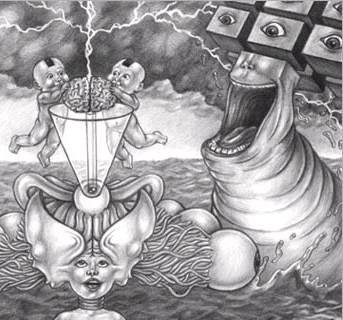
founding fathers...
slanting towards a charactization of reverance of a particular socio-political slaying and martyrdom
holy-daze
color significance, meaning reform, and a track record of corruptibility
or a tendency to reward
margin of benefit
margin of error
con-form
seed that need but a foothold
and suffer for dreams of a kingdom
astrophysically improbable
notable
note-worthy
demographically and democratically, there could be supposed a slantLambert (2003) has examined the religious affiliations and beliefs
of the Founders. Some of the 1787 delegates had no affiliation. The others
were Protestants except for three Roman Catholics: C. Carroll, D. Carroll,
and Fitzsimons. Among the Protestant delegates to the Constitutional
Convention, 28 were Church of England (Episcopalian, after the
Revolutionary War was won), eight were Presbyterians, seven were
Congregationalists, two were Lutherans, two were Dutch Reformed, and
two were Methodists, the total number being 49. Some of the more
prominent Founding Fathers were anti-clerical or vocal about their
opposition to organized religion, such as Thomas Jefferson (who created
the "Jefferson Bible"), and Benjamin Franklin. However, other notable
founders, such as Patrick Henry, were strong proponents of traditional
religion. Several of the Founding Fathers considered themselves to be
deists or held beliefs very similar to that of deists.
slanting towards a charactization of reverance of a particular socio-political slaying and martyrdom
holy-daze
color significance, meaning reform, and a track record of corruptibility
or a tendency to reward
margin of benefit
margin of error
con-form
seed that need but a foothold
and suffer for dreams of a kingdom
astrophysically improbable
notable
note-worthy
-
the fire elf
- Posts: 7300
- Joined: Fri Jul 30, 2004 10:43 pm
- Burning Since: 2002
- Location: nation
...
For, to speake of our selves: we have seen menne come to thys house,
whiche for all they were fooles and dulwitted, yet had they a report
through all Italye of great Courtyers, and though at length they were
discovered and knowen, yet manye daies did thei beguyle us, and
mainteyned in our mindes that oppinion of themselves, whiche at the
fyrste they found there imprinted, although they wrought accordyng to
their small skil. We have seen other at the fyrste in very smal estimacion,
and afterwarde in the ende have acquited themselves marveilous well.
And of these errors there are divers causes and among other the
obstinatenes of princes, whiche to prove mastries oftentimes bend
themselves to favor him, that to their seeming, deserveth no favour at all,
and manye tymes in deede they are deceyved. But because thei have
alwaies many that counterfait them, a very great reportdependeth upon
their favor, the which moste commonly judgements folow. And if thei find
any thing that semeth contrary to the common opinion, thei are in doubt
for deceiving themselves, and alwaies loke for some matter secretly
because it semeth, that these general opinions ought to be founded upon
a trothe, and arise of reasonable causes. And forsomuch as our mindes
are very apte to love and to hate: as in the sightes of combates and
games and in all other kinde of contencion one with an other, it is seene
that the lookers on many times beare affeccion without any manifest
cause why, unto one of the two parties, with a gredy desire to have him
get the victorie, and the other to have the overthrow. Also as touching the
opinion of mens qualities, the good or yll reporte at the first brunt moveth
oure mynde to one of these two passions: therefore it commeth to passe,
that for the moste part we judge with love or els with hatred.
...
Then saide the Gentlewoman: Seing you are not nowe at the warre nor in
place to fight, I woulde thinke it best for you to bee well besmered and
set up in an armorie with other implementes of warre till time wer that
you should be occupied, least you waxe more rustier then you are.
Thus with much laughinge of the standers by she left him with a mocke in
his foolish presumpcion. He therefore that we seeke for, where the
enemies are, shall shewe himselfe moste fierce, bitter, and evermore with
the firste. In everie place beside, lowly, sober, and circumspecte, fleeing
above all thinge bragginge and unshamefull praising himself, for therewith
a man alwaies purchaseth himself the hatred and yll will of the hearers.
And I, aunswered the L. Gaspar, have knowen few men excellent in any
thing whatsoever it bee, but they praise them selves. An me thinke it may
wel be borne in them: for he that is of skill, whan he seeth that he is not
knowen for his woorkes of the ignoraunte, hath a disdeigne that his
connynge should lye buried, and needes must he open it one waie, least
he should bee defrauded of the estimation that belongeth to it, whiche is
the true rewarde of vertuous travailes. Therefore among the auncient
writers he that muche excelleth doeth sildome forbeare praisyng hymself.
They in deede are not to be borne withall that havyng no skill in theym,
wyll prayse themselves: but we wyll not take our Courtyer to be suche a
one.
Then the Count: Yf you have well understoode (quoth he) I blamed the
praysinge of a mans selfe impudently and withoute respecte. And surelye
(as you saye) a man ought not to conceyve an yll oppinion of a skifull
man that praiseth hymselfe dyscretely, but rather take it for a more
certaine witnes, then yf it came out of an other mans mouth. I agree well
that he, whiche in praising himselfe falleth not into errour, nor purchaseth
himself lothsomenes or hatred of the hearers, is moste discrete: and
beside the praises whiche he giveth himselfe, deserveth the same of
other men also, because it is a very hard matter.
Then the L. Gaspar: This (quoth he) muste you teache us.
The Count aunswered: Emong the auntient writers there hathe not also
wanted that hathe taught it. But in mine opinion, all doth consist in
speaking such thynges after a sort, that it maye appeare that they are not
rehearsed to that ende: but that they come so to purpose, that he can not
refrayne tellyng them, and alwaies seemynge to flee his owne prayse tell
the trueth. But not as those lustie laddes dooe, that open their mouthe
and thruste oute woordes at aventure they care not how. As within these
few dayes one of oure company being pusshed throughe the thygh with a
pyke at Pysa, thought that it was the bytynge of a flie. And an other
sayde that he occupied no lookynge glasse in his chamber, because in
hys rage he was so terrible to beholde, that in lookynge upon his owne
count enaunce he shoulde put himself into much feare.
At this every one laughed. But the L. Cesa Gonzaga saide unto them: At
what laugh you Knowe ye not that the great Alexander, hearing a certaine
Philosophers oppinion to be that there were infinite worldes, fell in
weping: and when he was asked the question why he wept, he
aunswered: Because I have not yet one in hande, as thoughe hys mynde
was to have them all. Dooe you not thynke that this was a greater
braverie, then to speak of the fly biting.
...
For, to speake of our selves: we have seen menne come to thys house,
whiche for all they were fooles and dulwitted, yet had they a report
through all Italye of great Courtyers, and though at length they were
discovered and knowen, yet manye daies did thei beguyle us, and
mainteyned in our mindes that oppinion of themselves, whiche at the
fyrste they found there imprinted, although they wrought accordyng to
their small skil. We have seen other at the fyrste in very smal estimacion,
and afterwarde in the ende have acquited themselves marveilous well.
And of these errors there are divers causes and among other the
obstinatenes of princes, whiche to prove mastries oftentimes bend
themselves to favor him, that to their seeming, deserveth no favour at all,
and manye tymes in deede they are deceyved. But because thei have
alwaies many that counterfait them, a very great reportdependeth upon
their favor, the which moste commonly judgements folow. And if thei find
any thing that semeth contrary to the common opinion, thei are in doubt
for deceiving themselves, and alwaies loke for some matter secretly
because it semeth, that these general opinions ought to be founded upon
a trothe, and arise of reasonable causes. And forsomuch as our mindes
are very apte to love and to hate: as in the sightes of combates and
games and in all other kinde of contencion one with an other, it is seene
that the lookers on many times beare affeccion without any manifest
cause why, unto one of the two parties, with a gredy desire to have him
get the victorie, and the other to have the overthrow. Also as touching the
opinion of mens qualities, the good or yll reporte at the first brunt moveth
oure mynde to one of these two passions: therefore it commeth to passe,
that for the moste part we judge with love or els with hatred.
...
Then saide the Gentlewoman: Seing you are not nowe at the warre nor in
place to fight, I woulde thinke it best for you to bee well besmered and
set up in an armorie with other implementes of warre till time wer that
you should be occupied, least you waxe more rustier then you are.
Thus with much laughinge of the standers by she left him with a mocke in
his foolish presumpcion. He therefore that we seeke for, where the
enemies are, shall shewe himselfe moste fierce, bitter, and evermore with
the firste. In everie place beside, lowly, sober, and circumspecte, fleeing
above all thinge bragginge and unshamefull praising himself, for therewith
a man alwaies purchaseth himself the hatred and yll will of the hearers.
And I, aunswered the L. Gaspar, have knowen few men excellent in any
thing whatsoever it bee, but they praise them selves. An me thinke it may
wel be borne in them: for he that is of skill, whan he seeth that he is not
knowen for his woorkes of the ignoraunte, hath a disdeigne that his
connynge should lye buried, and needes must he open it one waie, least
he should bee defrauded of the estimation that belongeth to it, whiche is
the true rewarde of vertuous travailes. Therefore among the auncient
writers he that muche excelleth doeth sildome forbeare praisyng hymself.
They in deede are not to be borne withall that havyng no skill in theym,
wyll prayse themselves: but we wyll not take our Courtyer to be suche a
one.
Then the Count: Yf you have well understoode (quoth he) I blamed the
praysinge of a mans selfe impudently and withoute respecte. And surelye
(as you saye) a man ought not to conceyve an yll oppinion of a skifull
man that praiseth hymselfe dyscretely, but rather take it for a more
certaine witnes, then yf it came out of an other mans mouth. I agree well
that he, whiche in praising himselfe falleth not into errour, nor purchaseth
himself lothsomenes or hatred of the hearers, is moste discrete: and
beside the praises whiche he giveth himselfe, deserveth the same of
other men also, because it is a very hard matter.
Then the L. Gaspar: This (quoth he) muste you teache us.
The Count aunswered: Emong the auntient writers there hathe not also
wanted that hathe taught it. But in mine opinion, all doth consist in
speaking such thynges after a sort, that it maye appeare that they are not
rehearsed to that ende: but that they come so to purpose, that he can not
refrayne tellyng them, and alwaies seemynge to flee his owne prayse tell
the trueth. But not as those lustie laddes dooe, that open their mouthe
and thruste oute woordes at aventure they care not how. As within these
few dayes one of oure company being pusshed throughe the thygh with a
pyke at Pysa, thought that it was the bytynge of a flie. And an other
sayde that he occupied no lookynge glasse in his chamber, because in
hys rage he was so terrible to beholde, that in lookynge upon his owne
count enaunce he shoulde put himself into much feare.
At this every one laughed. But the L. Cesa Gonzaga saide unto them: At
what laugh you Knowe ye not that the great Alexander, hearing a certaine
Philosophers oppinion to be that there were infinite worldes, fell in
weping: and when he was asked the question why he wept, he
aunswered: Because I have not yet one in hande, as thoughe hys mynde
was to have them all. Dooe you not thynke that this was a greater
braverie, then to speak of the fly biting.
...
-
Simon of the Playa
- Posts: 22902
- Joined: Thu Sep 06, 2007 6:25 pm
- Burning Since: 1996
- Camp Name: La Guilde des Hashischins
- Location: BRC, Nevada.
-
the fire elf
- Posts: 7300
- Joined: Fri Jul 30, 2004 10:43 pm
- Burning Since: 2002
- Location: nation


While Xenocentrism is defined to be a principal cause of ethical
bias, emphasis is placed upon its position as an important step from
inborn ethnocentrism to a state, labeled by Fullmer as "Omnicentrism."
This ultimately ideal state is characterized by the complete lack of any
familiarity bias, whether for or against one's own culture. Fullmer offers
that the step from Ethnocentrism to Xenocentrism is one made by an
ethically advancing individual, but that many fail to progress beyond this
state, instead remaining biased by the unhealthy excesses of Xenocentrism.

-
Simon of the Playa
- Posts: 22902
- Joined: Thu Sep 06, 2007 6:25 pm
- Burning Since: 1996
- Camp Name: La Guilde des Hashischins
- Location: BRC, Nevada.


-
the fire elf
- Posts: 7300
- Joined: Fri Jul 30, 2004 10:43 pm
- Burning Since: 2002
- Location: nation
It would be ahistorical to ridicule vitalists. When one reads the writings of
one of the leading vitalists like Driesch one is forced to agree with him
that many of the basic problems of biology simply cannot be solved by a
philosophy as that of Descartes, in which the organism is simply
considered a machine…..The logic of the critique of the vitalists was
impeccable. But all their efforts to find a scientific answer to all the so-
called vitalistic phenomena were failures.… rejecting the philosophy of
reductionism is not an attack on analysis. No complex system can be
understood except through careful analysis. However the interactions of
the components must be considered as much as the properties of the
isolated components.

one of the leading vitalists like Driesch one is forced to agree with him
that many of the basic problems of biology simply cannot be solved by a
philosophy as that of Descartes, in which the organism is simply
considered a machine…..The logic of the critique of the vitalists was
impeccable. But all their efforts to find a scientific answer to all the so-
called vitalistic phenomena were failures.… rejecting the philosophy of
reductionism is not an attack on analysis. No complex system can be
understood except through careful analysis. However the interactions of
the components must be considered as much as the properties of the
isolated components.
-
the fire elf
- Posts: 7300
- Joined: Fri Jul 30, 2004 10:43 pm
- Burning Since: 2002
- Location: nation
William Ockham (c. 1285–1349) is remembered as an influential nominalist but his popular fame as a great logician rests chiefly on the
maxim attributed to him and known as Occam's razor: Entia non sunt multiplicanda praeter necessitatem or "Entities should not be multiplied
unnecessarily." The term razor refers to the act of shaving away unnecessary assumptions to get to the simplest explanation. No doubt this
maxim represents correctly the general tendency of his philosophy, but it has not so far been found in any of his writings. His nearest
pronouncement seems to be Numquam ponenda est pluralitas sine necessitate [Plurality must never be posited without necessity], which
occurs in his theological work on the Sentences of Peter Lombard. In his Summa Totius Logicae, Ockham cites the principle of economy, Frustra fit per plura quod
potest fieri per pauciora [It is futile to do with more things that which can be done with fewer].

Electrons that are bound to atoms possess a set of stable energy levels, or orbitals, and can undergo transitions between them by absorbing or
emitting photons that match the energy differences between the levels. The electrons determine the chemical properties of an element, and
strongly influence an atom's magnetic properties.
maxim attributed to him and known as Occam's razor: Entia non sunt multiplicanda praeter necessitatem or "Entities should not be multiplied
unnecessarily." The term razor refers to the act of shaving away unnecessary assumptions to get to the simplest explanation. No doubt this
maxim represents correctly the general tendency of his philosophy, but it has not so far been found in any of his writings. His nearest
pronouncement seems to be Numquam ponenda est pluralitas sine necessitate [Plurality must never be posited without necessity], which
occurs in his theological work on the Sentences of Peter Lombard. In his Summa Totius Logicae, Ockham cites the principle of economy, Frustra fit per plura quod
potest fieri per pauciora [It is futile to do with more things that which can be done with fewer].
Electrons that are bound to atoms possess a set of stable energy levels, or orbitals, and can undergo transitions between them by absorbing or
emitting photons that match the energy differences between the levels. The electrons determine the chemical properties of an element, and
strongly influence an atom's magnetic properties.

-
the fire elf
- Posts: 7300
- Joined: Fri Jul 30, 2004 10:43 pm
- Burning Since: 2002
- Location: nation
[img]http://www.nimr.mrc.ac.uk/news/2008/ju_gosling/images/abnormal1.jpg[/img] wrote:Plurality must never be posited without necessity


___________________________________________________________________________rivaled by Plurality
-
the fire elf
- Posts: 7300
- Joined: Fri Jul 30, 2004 10:43 pm
- Burning Since: 2002
- Location: nation

-
the fire elf
- Posts: 7300
- Joined: Fri Jul 30, 2004 10:43 pm
- Burning Since: 2002
- Location: nation
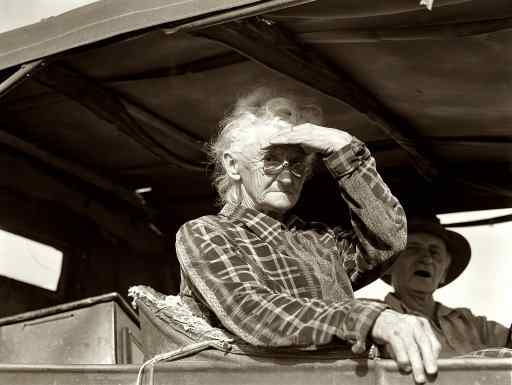 ____________________________________

![[img]http://www.nimr.mrc.ac.uk/news/2008/ju_gosling/images/abnormal1.jpg[/img]](http://www.nimr.mrc.ac.uk/news/2008/ju_gosling/images/abnormal1.jpg)
Anchoring or focalism is a cognitive bias that describes the commonmayavin wrote:reasons to act, believe or feel.
human tendency to rely too heavily, or "anchor," on one trait or piece of
information when making decisions.
Naïve diversification is a choice heuristic (also known as "diversification
heuristic"). Simonson showed that when people have to make
simultaneous choice (e.g. choose now which of six snacks to consume in
the next three weeks), they tend to seek more variety (e.g., pick more
kinds of snacks) than when they make sequential choices (e.g., choose
once a week which of six snacks to consume that week for three weeks).
That is, when asked to make several choices at once, people tend to
diversify more than when making the same type of decision sequentially.
Escalation of commitment was first described by Barry M. Staw in his
1976 paper, "Knee deep in the big muddy: A study of escalating
commitment to a chosen course of action". More recently the term Sunk
cost fallacy has been used to describe the phenomenon where people
justify increased investment in a decision, based on the cumulative prior
investment, despite new evidence suggesting that the decision was
probably wrong.
reasons to advise...
with measures of what moves
and trust of that what's seen
the norm on tongue, in grooves
uncommon thread, a dream
tailored to specifics
cast in form and frenzy
tackled from the sail ships
lured by winds of plenty
feathered is the bird's cap
balded by the butcher
twice the mole's hair woodrat
biddle bumpkin's muffle

with measures of what moves
and trust of that what's seen
the norm on tongue, in grooves
uncommon thread, a dream
tailored to specifics
cast in form and frenzy
tackled from the sail ships
lured by winds of plenty
feathered is the bird's cap
balded by the butcher
twice the mole's hair woodrat
biddle bumpkin's muffle
-
Roberto Dobbisano
- Posts: 2973
- Joined: Thu Jul 09, 2009 5:54 pm
- Location: Dobbidossola, Italy.
THE WANDERING JEW.
The stars are failing, and the sky
Is like a field of faded flowers;
The winds on weary wings go by;
The moon hides, and the temptest lowers;
And still through every clime and age
I wander on a pilgrimage
That all men know an idle quest,
For that the goal I seek is--REST!
I hear the voice of summer streams,
And, following, I find the brink
Of cooling springs, with childish dreams
Returning as I bend to drink--
But suddenly, with startled eyes,
My face looks on its grim disguise
Of long gray beard; and so, distressed,
I hasten on, nor taste of rest.
I come upon a merry group
Of children in the dusky wood,
Who answer back the owlet's whoop,
That laughs as it had understood;
And I would pause a little space,
But that each happy blossom-face
Is like to one His hands have blessed
Who sent me forth in search of rest.
Sometimes I fain would stay my feet
In shady lanes, where huddled kine
Couch in the grasses cool and sweet,
And lift their patient eyes to mine;
But I, for thoughts that ever then
Go back to Bethlehem again,
Must needs fare on my weary quest,
And weep for very need of rest.
Is there no end? I plead in vain:
Lost worlds nor living answer me.
Since Pontius Pilate's awful reign
Have I not passed eternity?
Have I not drank the fetid breath
Of every fevered phase of death,
And come unscathed through every pest
And scourge and plague that promised rest?
Have I not seen the stars go out
That shed their light o'er Galilee,
And mighty kingdoms tossed about
And crumbled clod-like in the sea?
Dead ashes of dead ages blow
And cover me like drifting snow,
And time laughs on as 'twere a jest
That I have any need of rest.
The stars are failing, and the sky
Is like a field of faded flowers;
The winds on weary wings go by;
The moon hides, and the temptest lowers;
And still through every clime and age
I wander on a pilgrimage
That all men know an idle quest,
For that the goal I seek is--REST!
I hear the voice of summer streams,
And, following, I find the brink
Of cooling springs, with childish dreams
Returning as I bend to drink--
But suddenly, with startled eyes,
My face looks on its grim disguise
Of long gray beard; and so, distressed,
I hasten on, nor taste of rest.
I come upon a merry group
Of children in the dusky wood,
Who answer back the owlet's whoop,
That laughs as it had understood;
And I would pause a little space,
But that each happy blossom-face
Is like to one His hands have blessed
Who sent me forth in search of rest.
Sometimes I fain would stay my feet
In shady lanes, where huddled kine
Couch in the grasses cool and sweet,
And lift their patient eyes to mine;
But I, for thoughts that ever then
Go back to Bethlehem again,
Must needs fare on my weary quest,
And weep for very need of rest.
Is there no end? I plead in vain:
Lost worlds nor living answer me.
Since Pontius Pilate's awful reign
Have I not passed eternity?
Have I not drank the fetid breath
Of every fevered phase of death,
And come unscathed through every pest
And scourge and plague that promised rest?
Have I not seen the stars go out
That shed their light o'er Galilee,
And mighty kingdoms tossed about
And crumbled clod-like in the sea?
Dead ashes of dead ages blow
And cover me like drifting snow,
And time laughs on as 'twere a jest
That I have any need of rest.
"10 principles? you cant HANDLE the 10 principles..."